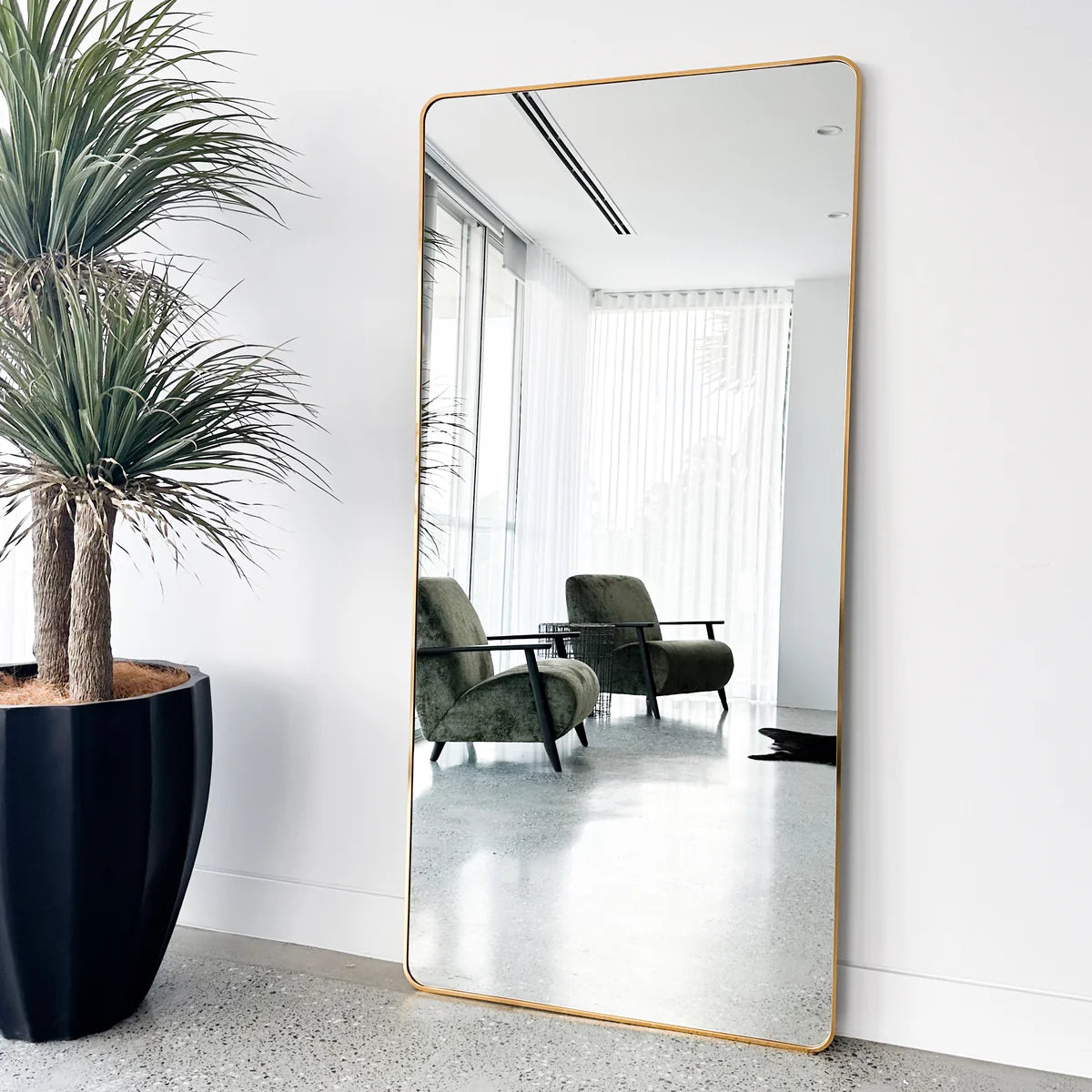
An irregular mirror is a good choice when you want the mirror itself to become part of the room's design. Instead of relying on an ornate frame, irregular mirrors use asymmetrical curves and organic shapes to create visual interest.
They work particularly well in contemporary interiors where furniture and architecture already contain lots of straight lines. The softer shape provides contrast while keeping the overall look clean.
Here's how to choose the right irregular mirror for your space. Explore our Irregular Mirrors to compare different shapes and sizes.
Why Choose an Irregular Mirror?
Most rooms are built around rectangles — doors, windows, beds, sofas, tables and cabinetry.
An irregular mirror breaks up those straight lines without requiring additional colour or decoration.
This makes organic mirror shapes particularly useful in minimalist and modern interiors. The silhouette becomes the feature, allowing the surrounding furniture and styling to remain relatively simple.
What Size Irregular Mirror Should You Choose?
Start with how you intend to use the mirror.
A smaller irregular wall mirror works well above a console, vanity or drawers where the mirror is primarily an interior feature.
A full length irregular mirror provides a practical head-to-toe reflection while making considerably more of a statement.
The Odessa Irregular Full Length Mirror is a good example of using an asymmetric silhouette at a larger scale.
Before choosing, measure both the mirror and available wall space. Irregular designs don't have perfectly straight edges, so leaving negative space around them helps the shape remain visible.
Where Should You Put an Irregular Mirror?
Irregular mirrors work particularly well on walls where their silhouette has room to stand out.
In a bedroom, a full length design can sit near a wardrobe or dressing area.
In a living room, an irregular mirror can replace traditional wall art and create a larger reflective feature.
In an entryway, a smaller organic mirror above a simple console creates contrast against the straight furniture underneath.
Consider the reflection too. Positioning your mirror where it captures natural light, greenery or an open part of the room can make the overall effect more interesting.
Are Irregular Mirrors Too Trendy?
Irregular mirrors have a more distinctive appearance than traditional rectangles, but that doesn't mean they only work with trend-driven interiors.
The key is keeping the surrounding styling relatively restrained.
An organic shape paired with simple furniture, neutral colours and natural materials can create interest without making the room feel overly decorated.
If you're worried about longevity, choose an irregular mirror with a simple frame or frameless finish rather than one combining several decorative elements.
Irregular Mirror vs Arch Mirror
Both shapes introduce curves, but they create very different results.
An arch mirror remains symmetrical and architectural. It's a good option when you want to soften a room while maintaining a structured appearance.
An irregular mirror is more expressive. Asymmetry draws greater attention to the mirror and makes it feel closer to a piece of wall art.
Choose based on whether you want the mirror to complement the room quietly or become a stronger focal point.
Frameless or Framed Irregular Mirror?
A frameless irregular mirror puts almost all the emphasis on the shape of the glass.
The Aria Irregular Frameless Mirror demonstrates this approach, using an organic silhouette without requiring a prominent frame.
A framed irregular mirror creates more definition against the wall and can help connect the mirror with other finishes throughout your room.
Both can work — the decision comes down to how much visual contrast you want.
How to Style an Irregular Mirror
Keep the surrounding area relatively simple and allow the shape to do the work.
Pair organic mirrors with straight-lined furniture to create contrast, or combine them with curved furniture for a softer overall interior.
You also don't need to surround the mirror with additional wall décor. Leaving empty space around an irregular mirror helps emphasise its silhouette.
Start with your available space, decide whether you need a full length or wall mirror, and then consider how expressive you want the shape to be.
Explore our Irregular Mirrors to compare organic and asymmetrical designs for different rooms.